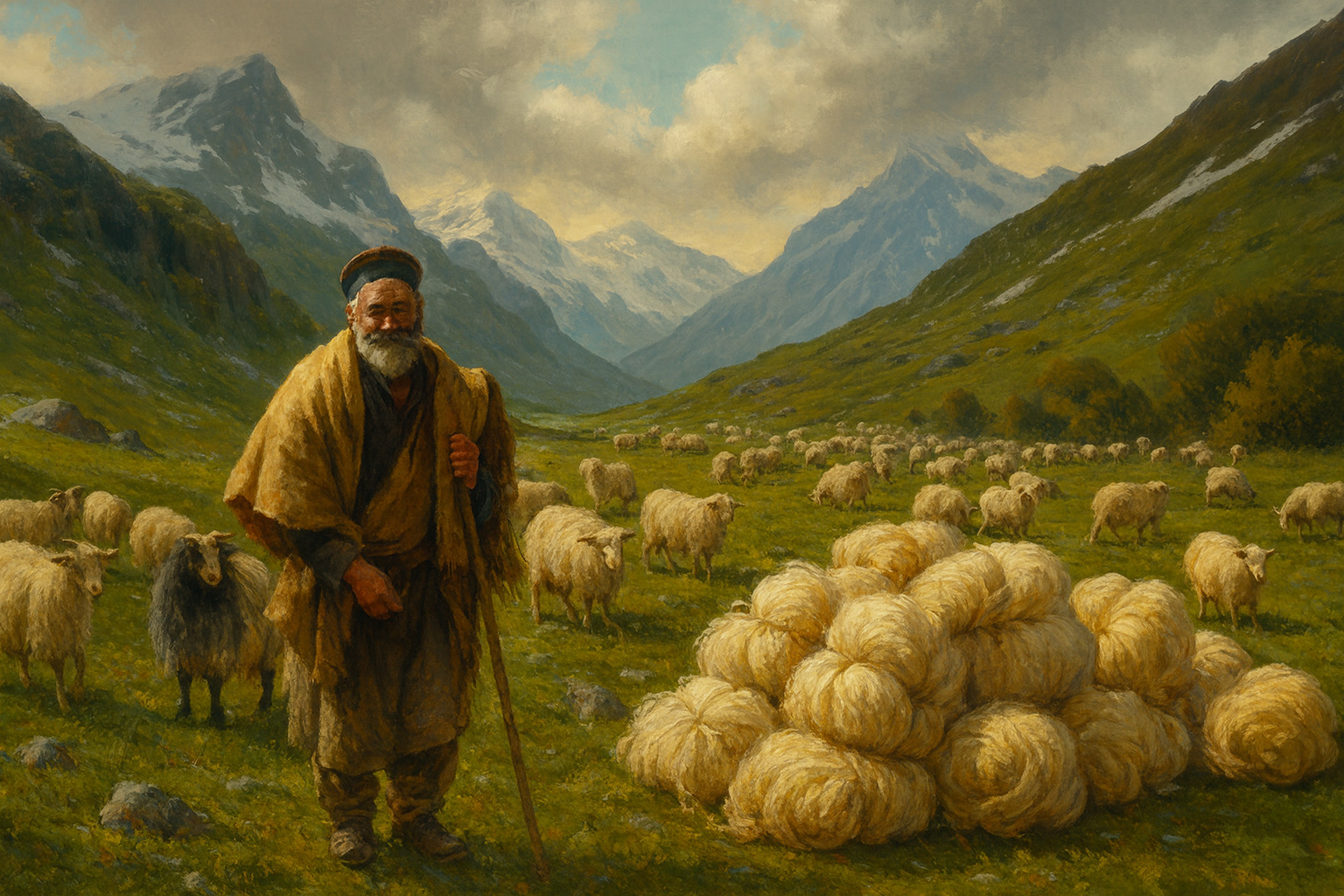
Wool Collection & Value Chain Development
Empowering Himalayan shepherd communities through wool processing, training, and sustainable markets.
Why Wool Value Chain Development is Important?
Unfair Wool Pricing
Middlemen exploitation reduces shepherd income.
Lack of Grading & Shearing Skills
Low-quality shearing reduces wool value.
Women Craft Skills Wasted
Traditional wool skills not used for income.
No Market or E-commerce Access
Artisans can't reach bigger markets.
Premium Wool Doesn't Reach Buyers
Himalayan wool has global demand.
Local Wool Products

Wool Product
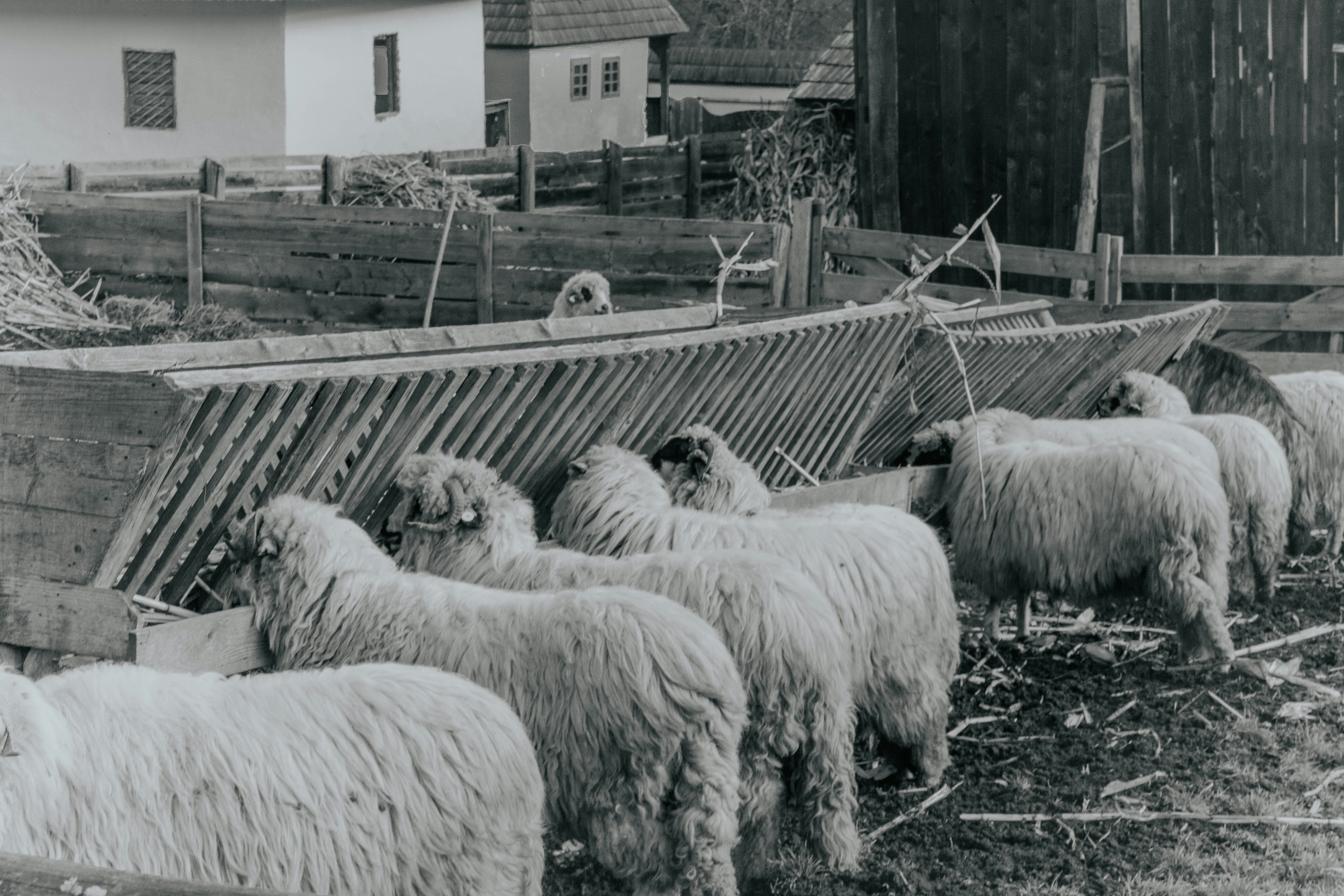
Wool Product
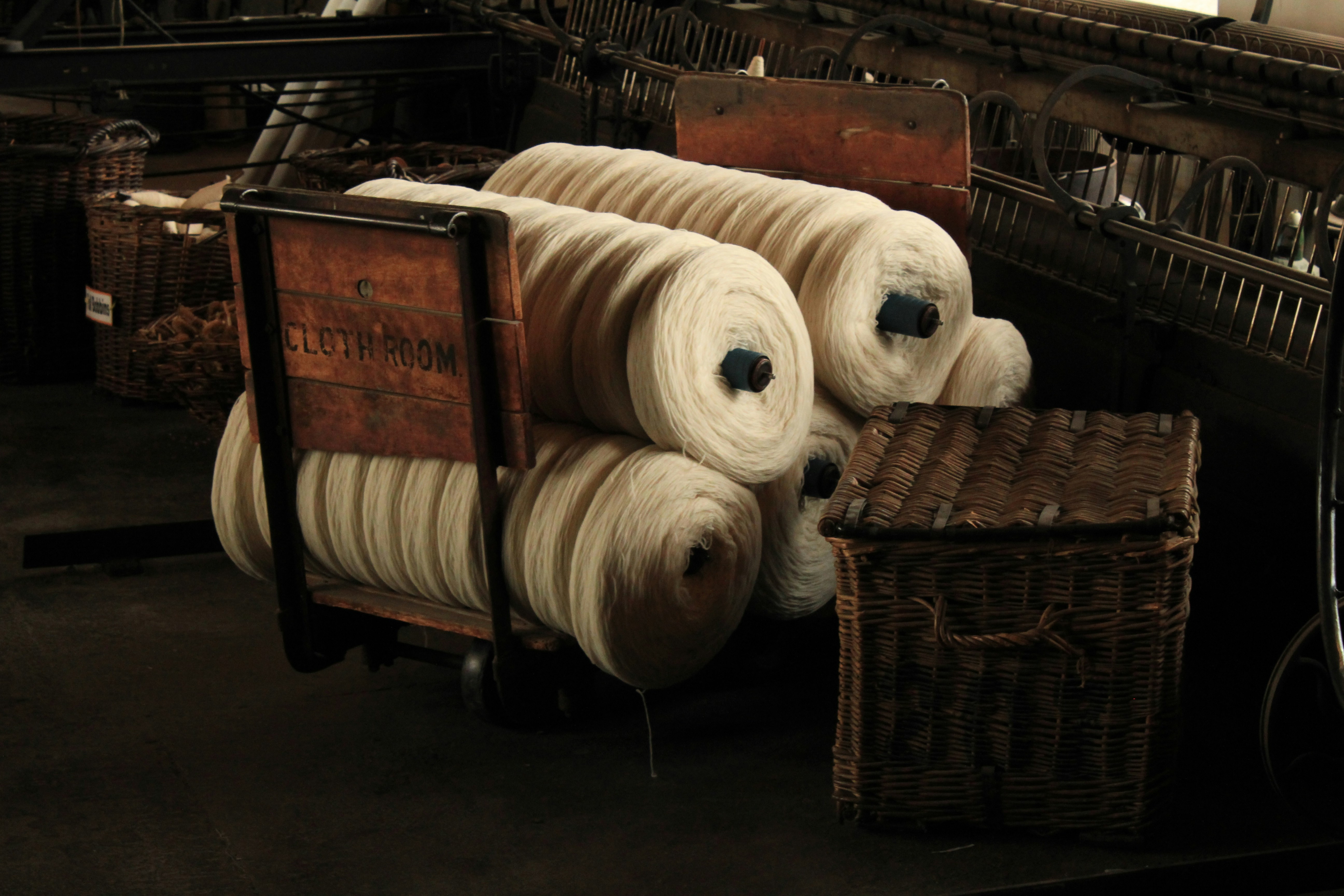
Wool Product
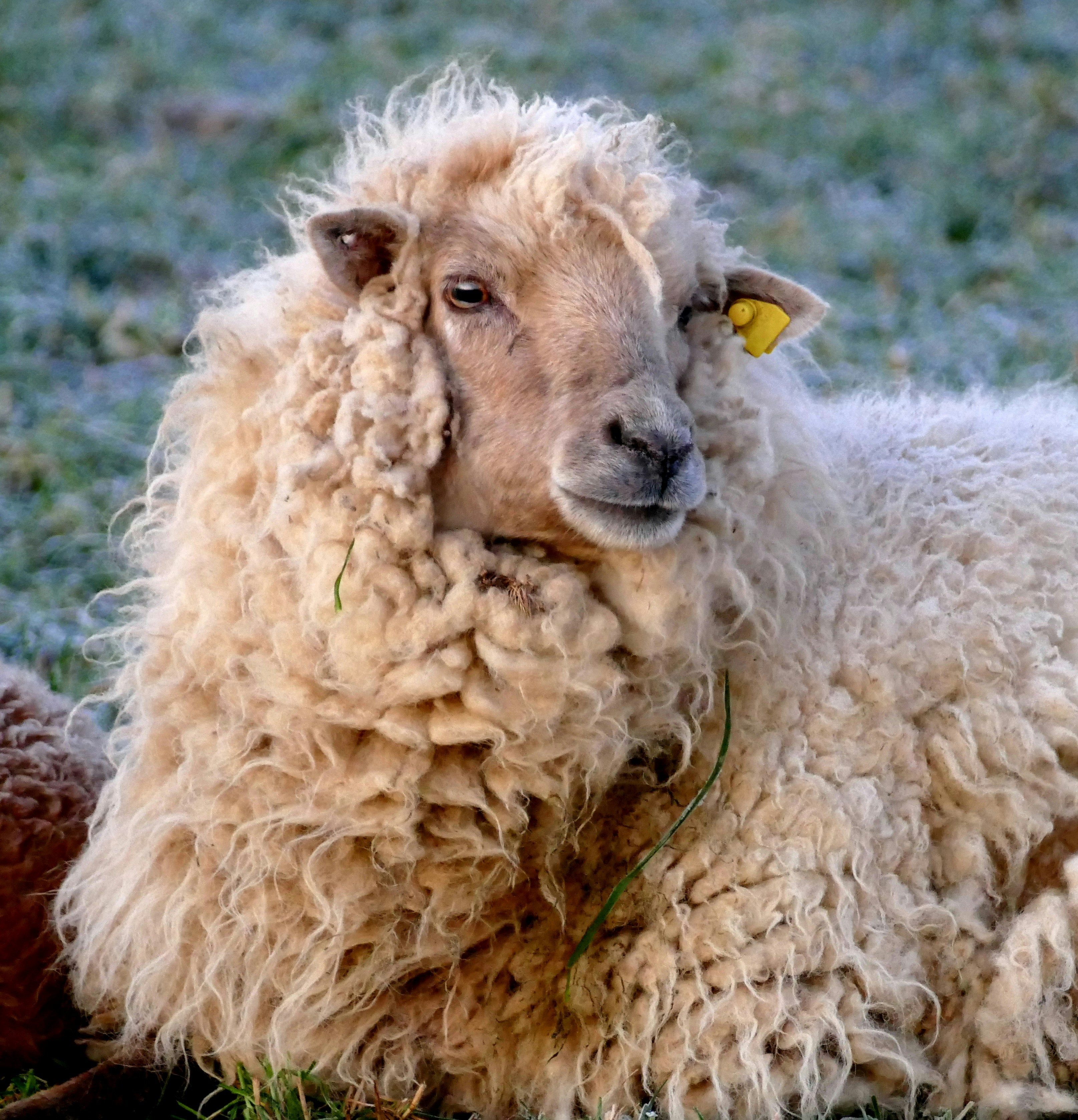
Wool Product
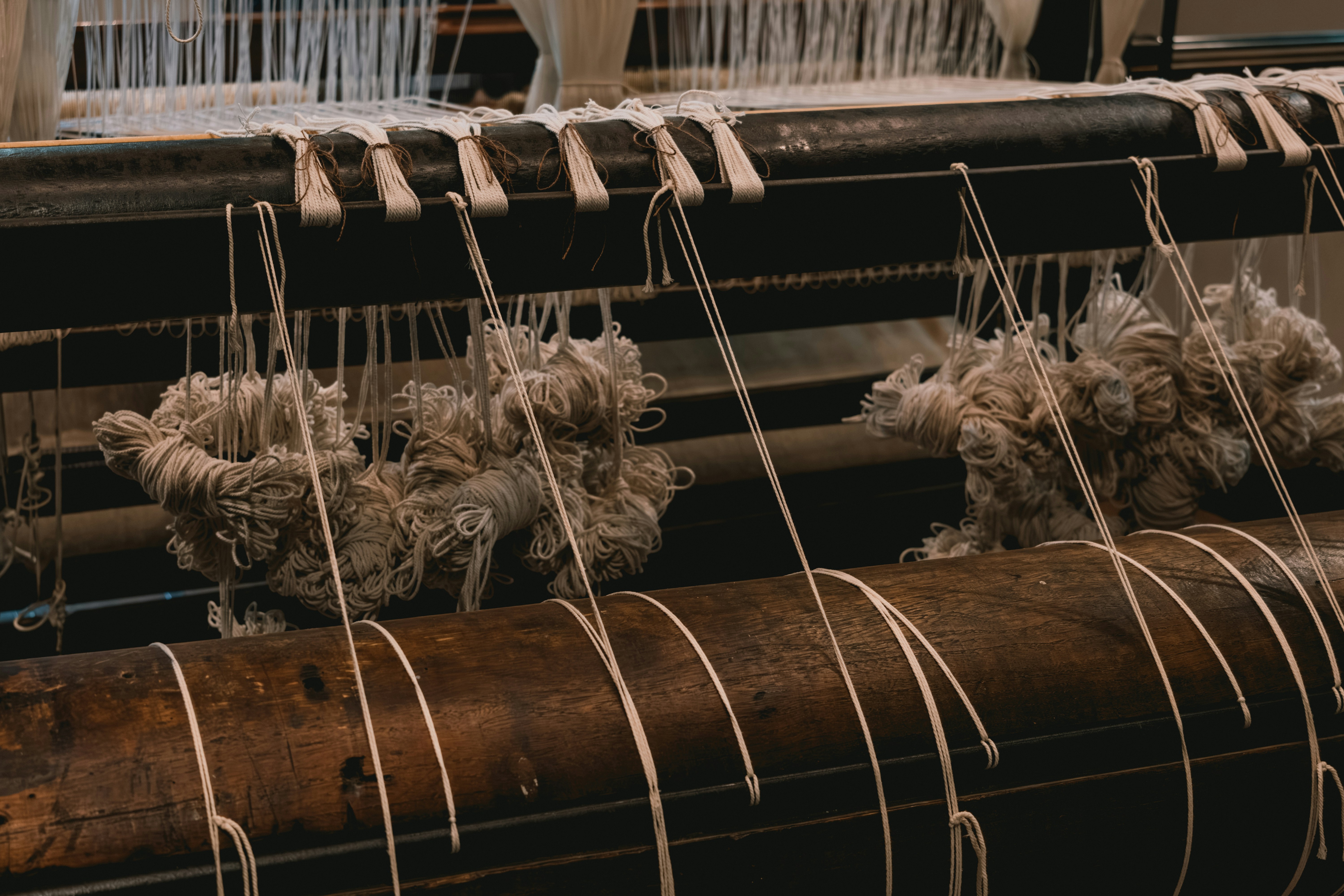
Wool Product
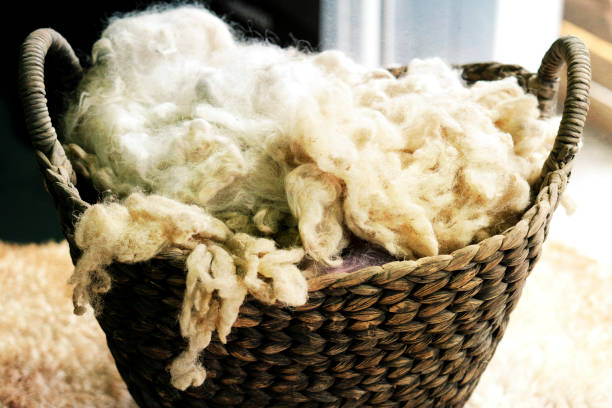
Wool Product
Market Linkages & E-commerce Support
Connecting Himalayan wool artisans to local markets, exhibitions, craft melas, government outlets and future online platforms for sustainable income.
Impact
0+
Kg Wool Processed
0+
Women Trained
0+
Local Artisans Supported
0+
Wool Products Developed
Wool Collection & Value Chain Development
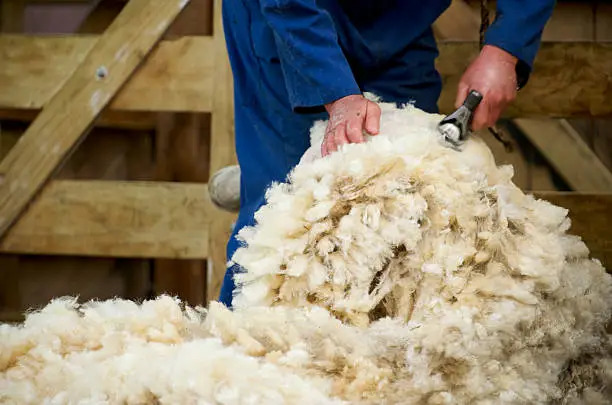
Community Wool Procurement Centres
Village-based procurement centres ensure fair pricing, transparent weighing, and safe storage of raw wool. These centres eliminate middlemen exploitation and guarantee that shepherd families receive the correct value for every kilogram of wool.
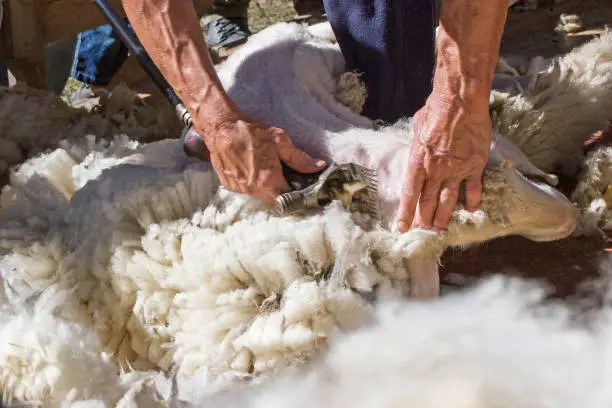
Wool Grading, Sorting & Shearing Training
Improving wool quality through scientific shearing, fibre cleaning, grading, and sorting. Training reduces wool wastage, prevents animal injuries, and increases the overall market value of Himalayan wool for local communities.
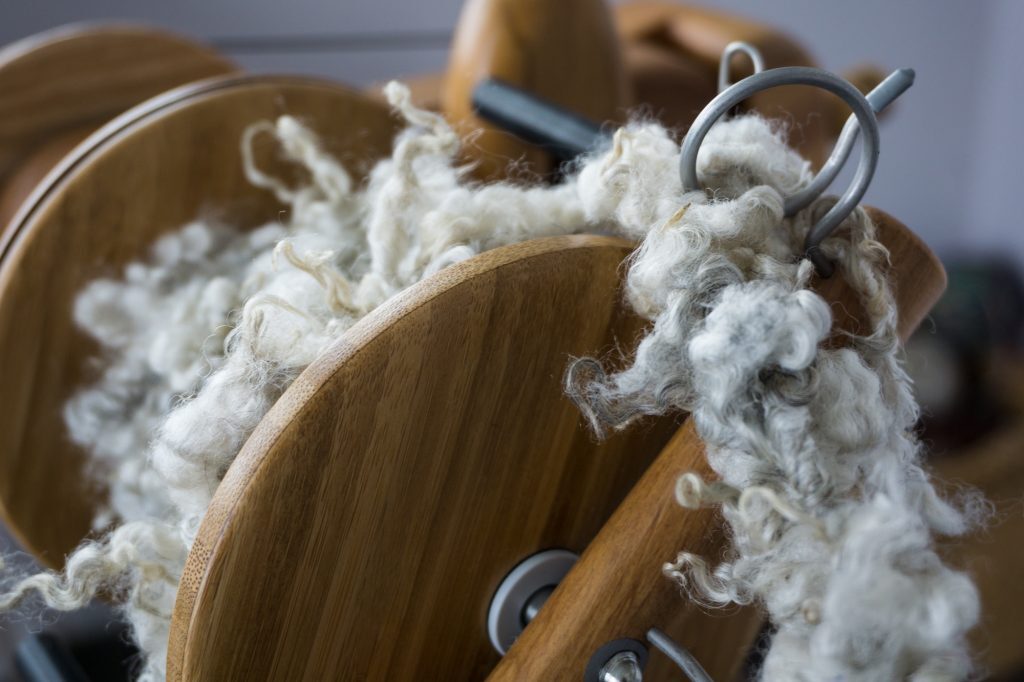
Hand-Spinning & Craft Skill Building
Local women and youth are trained in spinning (dhaga), carding, dyeing, and traditional Himalayan craft techniques. This revives ancient skills, expands employment opportunities, and builds strong community-led craft groups.
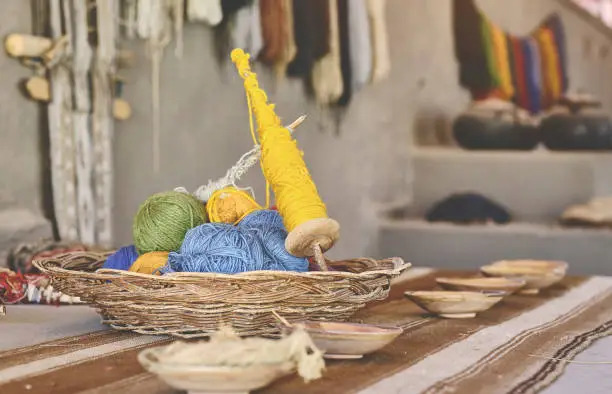
Development of Local Wool Products
High-quality handmade products like shawls, socks, rugs, caps, blankets, and home decor crafts are developed using premium Himalayan wool. These value-added products create a reliable livelihood for artisan families while preserving cultural heritage.
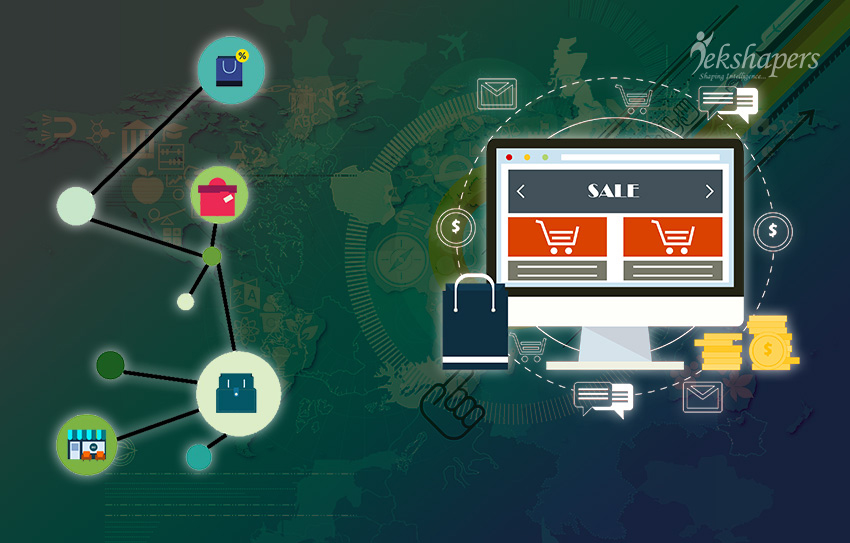
Market Linkages & E-commerce Support
Connecting artisans to urban markets, government emporiums, exhibitions, craft fairs, and future e-commerce platforms. Branding, packaging, and digital catalog support help increase income and reach national buyers.